Middle East Energy Market Shock: What It Means for Global Trade

Key Takeaways:
- The Core Catalyst: A Middle East energy market shock instantly triggers physical supply contractions, driving Brent and WTI crude past the $100 threshold and threatening global economic stability.
- The Policy Trap: Central banks face an intractable dilemma, caught between tightening monetary policy to fight imported inflation and easing policy to prevent a severe recession.
- Stagflation Asset Allocation: Traditional 60/40 portfolios falter during energy shocks; investors must rotate out of long-duration growth equities and into cash-generative, defensive assets and commodities.
- Strategic Hedging: Institutional allocators must actively manage duration risk, hedge against oil price spikes, and redirect capital toward energy security, infrastructure, and defense sectors.
1. The Geopolitical Catalyst and the $100 Crude Threshold
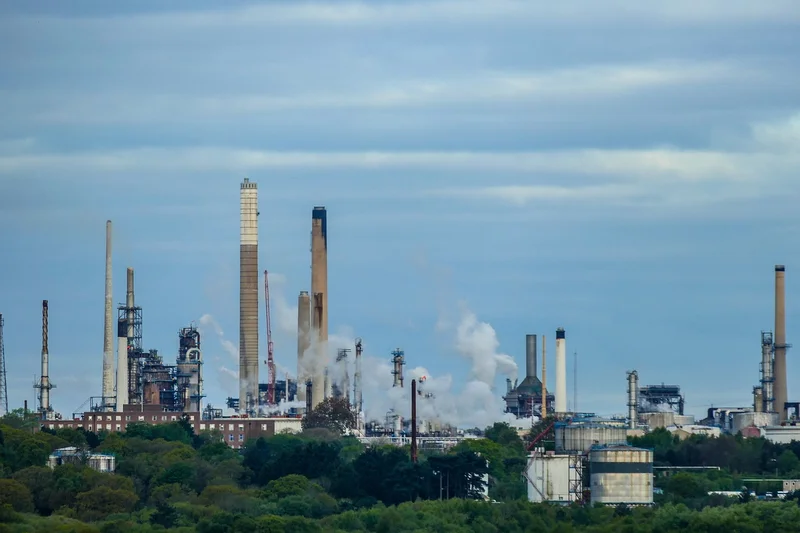
The global economy operates on a fragile energy baseline, and when the fault lines of Middle Eastern geopolitics fracture, the shockwaves are felt instantly across every trading desk from New York to Tokyo. For decades, the Strait of Hormuz, the Bab el-Mandeb Strait, and the vast oilfields of the Arabian Gulf have formed the beating heart of global industrial output. When kinetic conflict, cyber warfare, or blockade threats materialize in this vital corridor, the theoretical risk premium attached to fossil fuels turns into an immediate, physical supply contraction.
This is not merely a cyclical inventory adjustment; it is a structural energy market shock. When physical barrels are pulled offline or shipping lanes are abruptly rerouted around the Cape of Good Hope, the logistical friction pushes Brent crude and West Texas Intermediate (WTI) past critical psychological and economic levels. The breaching of the $100 crude oil threshold acts as a violent catalyst across global financial architecture. At triple-digit oil, the cost structure of manufacturing, transportation, and agriculture shifts fundamentally.
Equity and debt markets react with acute volatility to this paradigm shift. The immediate concern is the resurgence of a severe stagflationary impulse—an economic nightmare characterized by stagnant growth, rising unemployment, and runaway price levels. As energy inputs spike, corporate profit margins are squeezed simultaneously by higher operational costs and softening consumer demand. Equity indices, particularly those heavily weighted toward discretionary consumer goods and industrials, face immediate multiple compression. Concurrently, sovereign debt markets experience wild yield swings as bond investors attempt to price in an inflationary shock that central banks may be powerless to prevent through traditional easing cycles.
Understanding the Middle East oil shock impact on global markets requires a deep dive into how raw material scarcity cascades down corporate balance sheets. When energy inputs skyrocket, companies lacking robust pricing power experience immediate margin erosion. Furthermore, consumer sentiment plummets as everyday household expenses rise, dampening retail spending and triggering broader economic slowdowns across developed and emerging economies alike.
2. Central Banks Trapped in an Intractable Policy Dilemma
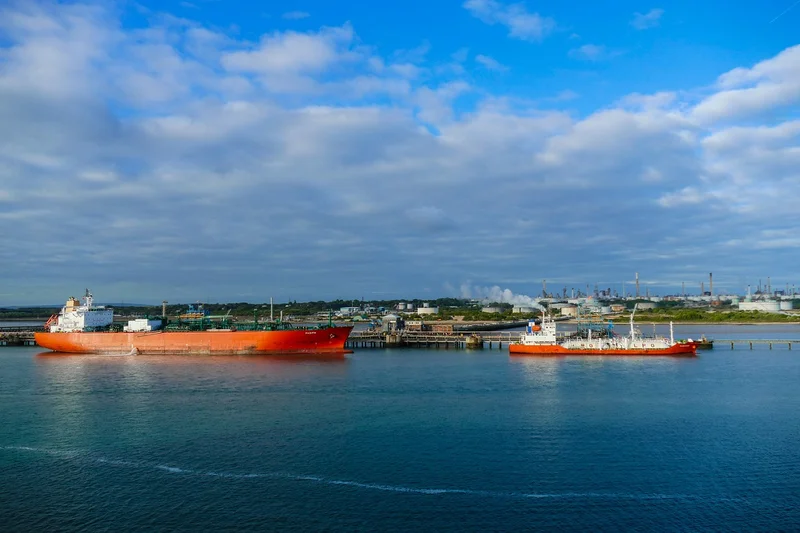
The macroeconomic transmission mechanism of a Middle Eastern energy shock places central banks—most notably the U.S. Federal Reserve, the European Central Bank, and the Bank of England—in an intractable policy dilemma. Imported inflation acts as an insidious tax on domestic consumers. When gasoline, heating oil, and electricity bills surge due to higher crude prices, headline inflation prints spike aggressively, dragging core metrics upward through secondary effects on logistics and production costs.
Faced with this imported inflation, central banks are forced to contemplate aggressive monetary tightening or, at minimum, a prolonged pause in any expected rate-cutting cycles. This creates a high-stakes operational hazard: the hard landing risk. Monetary policy cannot drill for oil, repair severed supply chains, or reopen closed shipping lanes. Raising interest rates does nothing to expand physical crude supply; instead, it depresses aggregate demand.
Consequently, central banks find themselves walking an impossibly narrow tightrope. If they tighten policy to anchor inflation expectations and prevent a wage-price spiral, they risk inducing a severe economic contraction, tipping fragile economies into deep recessions. If they look through the supply shock and ease policy to support growth, they risk unmooring long-term inflation expectations, leading to a corrosive loss of fiat currency credibility.
This policy paralysis triggers a liquidity freeze across global markets. As financial conditions tighten abruptly, cross-border capital flows reverse course. Emerging market economies that rely heavily on dollar-denominated energy imports and external debt financing bear the brunt of this shock. Sovereign spreads widen dramatically, foreign exchange reserves deplete rapidly, and the specter of debt distress reemerges across the developing world, amplifying systemic financial instability. Portfolio managers navigating this environment must closely monitor central bank communication and adjust their exposure to align with shifting monetary frameworks.
3. Navigating the Paradigm Shift: Asset Allocation Strategies
In an environment defined by geopolitical shocks and stagflationary threats, the traditional 60/40 portfolio construction fails to provide adequate diversification. Institutional allocators must execute a decisive rotation away from secular growth models and into defensive, cash-generative paradigms. Deploying effective stagflation asset allocation strategies is no longer optional; it is a critical mandate for preserving capital.
Rotation from Growth
Low-interest-rate environments historically favored long-duration growth equities and high-beta technology names, where future cash flows were discounted at negligible rates. A $100-plus crude environment changes the math entirely. Higher discount rates, combined with contracting corporate margins, crush the valuations of leveraged beta and growth equities. Institutional allocators must immediately trim exposure to unprofitable tech, high-multiple consumer discretionary stocks, and companies with fragile balance sheets that rely on continuous debt refinancing.
Safe-Haven Flows
Capital preservation becomes the primary mandate during energy market shocks. Investors must reallocate capital aggressively into safe-haven sovereign bonds—specifically short-to-intermediate duration instruments that offer yield without exposing portfolios to catastrophic duration risk should inflation flare further. Furthermore, commodities must be elevated from tactical allocations to core strategic holdings. Physical commodities, particularly energy complexes and select industrial metals, serve as the ultimate inflation hedge, possessing a direct, positive correlation to the very forces driving the market shock.
Defensive Positioning
To withstand deteriorating macro-financial conditions, portfolios must be anchored by defensive sectors characterized by inelastic demand, robust pricing power, and strong free cash flow generation. Utilities, healthcare, and consumer staples offer the defensive characteristics required to weather economic contractions. Within these sectors, companies that can successfully pass rising energy costs directly to the end consumer without destroying demand volumes will outperform the broader market. Investors exploring how to hedge against oil price spikes should look toward businesses with low energy intensity and high pricing agility.
4. Playbook for Institutional Allocators and Hedge Funds
Navigating a severe macroeconomic turning point requires a disciplined, tactical playbook designed to protect capital while capturing opportunities born from volatility.
Hedging Duration Risk
For sovereign wealth funds, pension funds, and global macro hedge funds, managing duration risk is paramount. Yield curve volatility will remain elevated as bond markets oscillate between fears of recession and fears of sticky inflation. Managers should implement dynamic duration hedging strategies, utilizing interest rate swaps, swaptions, and short-dated Treasury futures to insulate fixed-income portfolios against violent rate spikes. Additionally, maintaining adequate liquidity reserves allows funds to deploy capital opportunistically when forced liquidations create mispriced assets across credit markets.
Infrastructure and Defense
A geopolitically fractured world undergoing an energy market shock fundamentally rewires global supply chains and strategic priorities. Institutional capital must flow toward structural winners:
- Energy Transition and Security: Assets tied to domestic energy independence—including liquefied natural gas (LNG) infrastructure, nuclear energy, grid modernization, and domestic renewable initiatives—receive massive policy tailwinds and capital inflows.
- Defense and Aerospace: Heightened Middle Eastern tensions inevitably lead to structural increases in global defense budgets. Aerospace, defense contractors, and cybersecurity firms positioned to protect critical national infrastructure transition from cyclical plays to structural essentials.
Execution Timeline
In a fast-moving geopolitical crisis, hesitation is exceptionally costly. The transition from regional skirmish to global energy shock can occur within a matter of days, catching consensus positioning off guard. Institutional allocators and hedge fund managers must act immediately to stress-test their portfolios against extreme tail-risk scenarios, trim vulnerable risk assets, and establish hedges before market liquidity dries up entirely.
The Middle East energy market shock serves as a stark reminder that geopolitical risk is the ultimate wild card in global finance. By recognizing the limitations of central bank intervention, rotating out of vulnerable growth sectors, and ruthlessly prioritizing asset quality, institutional investors can successfully navigate this dangerous macroeconomic turning point and emerge resilient on the other side.
Frequently Asked Questions (FAQ)
How does a Middle East oil shock affect inflation?
A Middle East oil shock immediately drives up the physical cost of petroleum and refined products, injecting imported inflation directly into the global economy. As transportation, manufacturing, and agricultural costs escalate, headline and core inflation metrics surge, creating secondary price pressures across nearly every consumer and industrial sector.
What are the best asset classes during stagflation?
During periods of stagflation, traditional fixed-income and long-duration growth equities typically underperform. The most resilient asset classes include physical commodities (particularly energy and industrial metals), short-duration sovereign debt, and defensive equities featuring strong pricing power, robust cash flows, and inelastic consumer demand.
How can investors hedge against oil price spikes?
Investors can hedge against oil price spikes by allocating capital directly to energy sector equities, commodity exchange-traded products (ETPs), and companies involved in alternative energy and domestic infrastructure. Additionally, utilizing options strategies such as buying crude oil call options can provide asymmetric upside protection during geopolitical supply crunches.
Why do central banks struggle to respond to energy market shocks?
Central banks face a structural dilemma because monetary policy tools cannot increase physical commodity supply. Raising interest rates helps cool demand-driven inflation but risks plunging an already stressed economy into a deep recession. Conversely, lowering rates to support growth risks unmooring long-term inflation expectations and destabilizing currency credibility.